Returning to Routine: Supporting Children Through Transitions, Independence, and Growth
Going back to school after a vacation can be difficult for many children, and parents looking to lessen the pushback can take simple steps to support independence, emotional regulation, and healthy family rhythms during transitions.
Children thrive with structure, predictability, and connection. School breaks often bring excitement, novelty, relaxed schedules, extra screen time, travel, later bedtimes, and more flexibility within the home. While these moments can be joyful and restorative, returning to routines afterward can feel abrupt for young children who are still developing emotional regulation, flexibility, and impulse control.
Many adults would love to remain on vacation indefinitely — warm weather, adventure, freedom from responsibilities — but adults understand the practical realities that eventually pull us back into routine. Young children live much more fully in the present moment. They do not yet possess the same ability to anticipate long-term consequences, regulate disappointment, or emotionally prepare for transitions. Because of this, returning to school or childcare after a break can sometimes lead to whining, tears, clinginess, irritability, or behaviors parents thought their child had already outgrown.
These moments are not signs of failure. They are opportunities to gently guide children back toward stability and confidence.
Nurturing Independence Through Communication
One of the healthiest ways to support children is by encouraging them to express their needs clearly and respectfully. Young children naturally communicate through emotions before they develop language and self-regulation skills, but as they grow, adults can help them transition from crying, grabbing, whining, or demanding toward using words to express needs and feelings.
Consistency matters. When the adults in a child’s life calmly encourage verbal communication, children slowly develop confidence in their ability to advocate for themselves. Over time, this reduces frustration for both children and caregivers while strengthening connection and trust.
Children who feel heard are often more cooperative because they no longer need to rely solely on emotional escalation to communicate discomfort, uncertainty, or needs.
Habits Shape Family Culture
Children learn patterns quickly. When certain behaviors consistently produce desired results, those patterns naturally strengthen over time. This is not manipulation in the way adults think of it; it is simply how children learn about relationships, boundaries, and the world around them.
A child who discovers that calm communication is effective will slowly rely on it more often. A child who experiences predictable routines and steady expectations begins to feel emotionally safer because the environment feels understandable.
Family wellness is not built through perfection. It is built through consistency, connection, repair, and repetition.
Supporting Independence in Daily Life
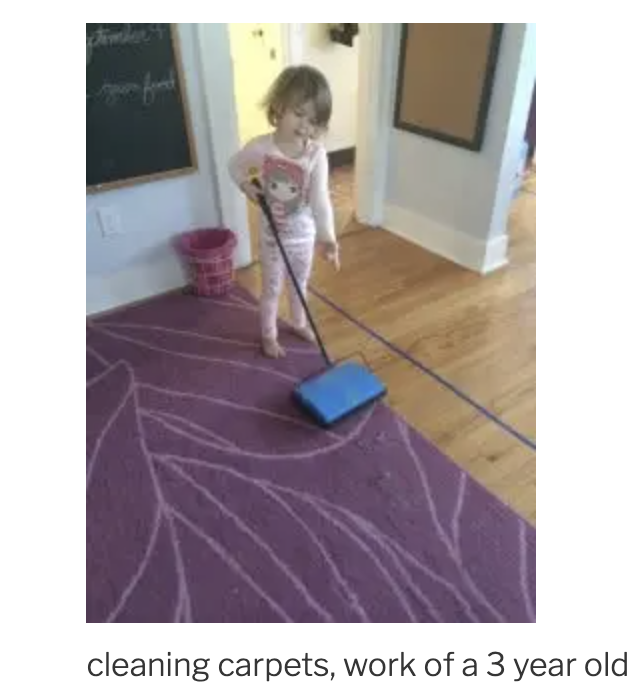
One of the greatest gifts adults can give children is the opportunity to participate meaningfully in their own lives.
Young children are often capable of far more than adults realize when given time, patience, and trust. Allowing children to pour water, choose clothing, help clean up, carry belongings, prepare snacks, or participate in household routines helps build competence, resilience, and self-esteem.
These small moments matter deeply.
When adults constantly rush in to complete tasks for children, the unintentional message can become: You are not capable without me. But when children are allowed to try — even imperfectly — they begin developing confidence in themselves.
A child who puts their shoes on the wrong feet but beams with pride is learning something far more important than perfect shoe placement. They are learning persistence, problem solving, body awareness, and self-trust.
Children learn by doing. Growth requires effort, frustration, mistakes, repetition, and patience. While it can feel uncomfortable for adults to watch children struggle through tasks that could be completed more quickly by grown hands, those moments are often where the deepest learning occurs.
Building Confidence Without Perfection
Many adults unintentionally tie success to performance, speed, or outward appearance. Children, however, benefit most when they feel safe to learn gradually.
Confidence develops when children experience:
opportunities to try,
room to make mistakes,
support without rescue,
and encouragement without pressure.
Family wellness often grows when homes become places where children are allowed to practice being human instead of being expected to perform perfectly.
Boundaries Create Emotional Safety
Patience and independence do not mean the absence of boundaries. In fact, children feel safest when loving limits are clear and consistent.
Healthy boundaries help children develop self-control, emotional resilience, and responsibility. Calm follow-through matters far more than punishment, threats, bribery, or power struggles.
For example, if cleanup is an expectation within the home, adults can remain calm and steady:
“We clean up after ourselves.”
“Would you like to start with the plate or the napkin?”
“I’ll stay with you while you finish.”
Simple choices preserve connection while still upholding expectations.
Children develop self-regulation slowly through repetition, modeling, and supportive guidance. The goal is not obedience through fear, but internal responsibility built through practice and relationship.
Returning to Routine With Compassion
Transitions are hard for many children — and adults too. Returning to school, work, schedules, and responsibilities after periods of freedom can feel emotionally jarring.
A smoother transition often begins with:
consistent sleep schedules,
predictable meals,
slower mornings,
reduced overstimulation,
clear expectations,
emotional connection,
and patience for big feelings.
Children do not need perfection from adults. They need steadiness, empathy, and opportunities to grow.
Sometimes the most supportive thing we can do is slow down, remain calm, and trust children enough to let them practice becoming capable.
Quick Tips for Supporting Independence at Home
Let children try before stepping in.
Maintain calm, consistent boundaries.
Offer simple choices whenever possible.
Build predictable routines.
Allow extra time for children to practice skills independently.
Resist correcting every imperfection.
Focus on connection before compliance.
Practice patience — growth takes time.